Review: Christmas Coquette Bow Reindeer Design
As an embroidery designer who has spent countless hours hooping, stitching, and unpicking, I approach every new machine embroidery design with a mix of excitement and skepticism. Trends come and go, but some aesthetics manage to carve out a lasting niche in the handmade market. Recently, I downloaded the Christmas Coquette Bow Reindeer from the Freebies section to test its viability for real-world projects. This isn’t just about whether it stitches out cleanly; it’s about whether it sells, whether it delights the recipient, and whether it holds up under the scrutiny of a discerning craft business owner.
First Impressions: The Mood and Aesthetic
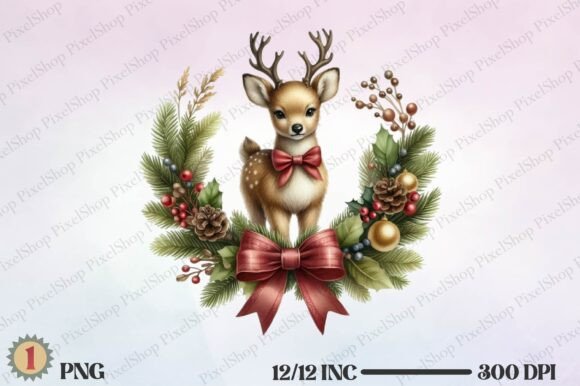
The moment I loaded the file into my software, the charm was immediate. The design merges two powerful current trends: the whimsical, nostalgic appeal of holiday reindeer and the ultra-feminine, trendy "coquette" aesthetic characterized by oversized bows and soft ribbons. Visually, the layout feels balanced. The reindeer silhouette is likely simplified to ensure stitch clarity, while the bow serves as the focal point, adding volume and texture through what appears to be a combination of satin stitch and fill stitch techniques.
This isn’t a hyper-realistic deer head. It’s stylized, cute, and approachable. For embroidery designers and Etsy sellers, this distinction is crucial. Hyper-realism often fails on textured fabrics or small hoops, but stylized designs like Christmas Coquette Bow Reindeer tend to be more forgiving and versatile. The mood it creates is warm, playful, and distinctly modern-traditional. It fits perfectly into the current demand for items that feel both festive and fashion-forward.
Real-World Application: From Mockup to Finished Product
To truly evaluate an embroidery file, you have to imagine it on actual goods. I visualized this design on a few different canvases to gauge its potential.
- Sweatshirt Embroidery: Placed on the left chest of a cream or sage green crewneck, this design would be a bestseller. The bow adds a tactile element that customers love to touch, increasing the perceived value of the garment.
- Tote Bag Design: On a heavy canvas tote, the design needs to be large enough to show detail. If the stitch density is too low, it might look sparse on thick fabric. However, if scaled correctly, it makes for a charming holiday gift bag alternative.
- Baby Embroidery: This is perhaps the strongest use case. The soft curves and lack of aggressive detailing make it ideal for baby onesies or burp cloths. Parents are drawn to gentle, cute imagery, and the coquette bow adds a sweet, boutique touch.
- Embroidered Patch: Creating a standalone patch allows for maximum control over stabilizer and backing. This design would look adorable as an iron-on accent for denim jackets or holiday stockings.
When preparing a custom embroidered tote bag for a client last season, I learned that customers react strongly to designs that feel "complete." A simple animal outline can feel cheap, but adding the elaborate bow element elevates the piece into a personalized gift that feels thoughtful and designed. The Christmas Coquette Bow Reindeer hits that sweet spot between simplicity and embellishment.
Technical Considerations and Stitching Performance
While the visual appeal is high, practical execution requires attention to detail. Here is how I assess the technical performance based on typical characteristics of such designs.
Stitch Density and Texture: Bows usually rely on satin stitches to create that smooth, ribbon-like sheen. If the stitch density is too high, the thread may bunch up, especially on stretchy fabrics like jersey knits. If it’s too low, the fabric underneath might show through, ruining the illusion of a solid ribbon. I recommend testing this on scrap fabric first, specifically using the same thread weight you plan to use for production.
Fabric Compatibility: This design likely performs best on stable, medium-weight fabrics. Cotton twill, felt, and dense fleece are ideal. Be cautious with thin or loosely woven fabrics. Without proper stabilizer support, the pull of the satin stitches could pucker the material. For dark fabrics, ensure your thread colors have enough contrast. A dark brown reindeer on black fabric will vanish, so consider using lighter browns or even metallic threads for the antlers to create definition.
Hoop Size Constraints: Always check the required hoop size before committing to a project. If this design is optimized for a 4x4 hoop, it might lose critical detail if scaled down for a small cap front. Conversely, scaling it up too much for a blanket might expose jagged edges in the digitizing. Review the design at 100% zoom in your software to inspect the corners of the bow and the tips of the antlers for clean stitch paths.
Commercial Viability for Small Shop Owners
For the Etsy seller or craft business owner, time is money. A design that requires constant trimming, excessive jump stitch cleanup, or frequent re-hooping is not profitable. The Christmas Coquette Bow Reindeer appears to be designed for efficiency. The shapes are organic, which usually means fewer complex color changes and smoother machine operation.
From a branding perspective, this design supports a cohesive holiday collection. Imagine pairing it with matching coquette-style snowflakes or stars. Consistency in design assets helps build brand recognition. When customers see that specific bow style, they associate it with your shop’s quality and aesthetic. It enhances buyer engagement because it feels curated rather than generic.
However, always verify the license terms. Since this was found in the Freebies category, it is essential to confirm whether it allows for commercial embroidery use. Some free files are for personal use only. Selling finished products like custom apparel or digital previews without the correct license can lead to serious legal issues. Never assume; always read the included documentation.
Final Verdict and Designer Notes
The Christmas Coquette Bow Reindeer is a strong contender for your holiday lineup. It balances trendiness with timeless holiday spirit. To get the best results, follow these practical steps:
- Test on Scrap Fabric: Never stitch directly on your final product. Use a similar fabric weight and texture to check for puckering or thread breaks.
- Check Thread Contrast: Use a monochrome mockup first to ensure the shape reads clearly without color. Then, select thread colors that complement your fabric base.
- Use Proper Stabilizer: For knit fabrics, use a cut-away stabilizer. For wovens, a tear-away may suffice, but hooping firmly is key to preventing distortion.
- Inspect Small Details: Zoom in on the bow’s center knot and the reindeer’s eyes. Ensure there are no unnecessary jump stitches that could snag during washing.
- Confirm Licensing: Double-check if the file permits selling finished items or if it is strictly for personal hobby use.
In conclusion, this design offers a delightful blend of charm and professionalism. It is well-suited for handmade products that need to stand out in a crowded market. Whether you are creating a holiday embroidery piece for a family gift or stocking your small shop with trendy winter wear, the Christmas Coquette Bow Reindeer provides a solid foundation for a beautiful finished product. Just remember that the magic lies in the execution—proper tension, quality thread, and careful fabric selection will turn a good digital file into a cherished tangible item.