Review: Christmas Cuckoo Clock Freebies for Bloggers
As a digital publisher who has spent over a decade refining the visual identity of high-traffic content sites, I approach every new graphic design asset with a critical eye. We are not just decorating pages; we are building trust, guiding attention, and driving conversions. When I recently downloaded the Christmas Cuckoo Clock from a popular repository of Freebies, I wanted to see if it could hold up under the rigorous demands of modern editorial design. The result was a pleasant surprise that offers significant value for seasonal content strategies.
First Impressions and Editorial Mood
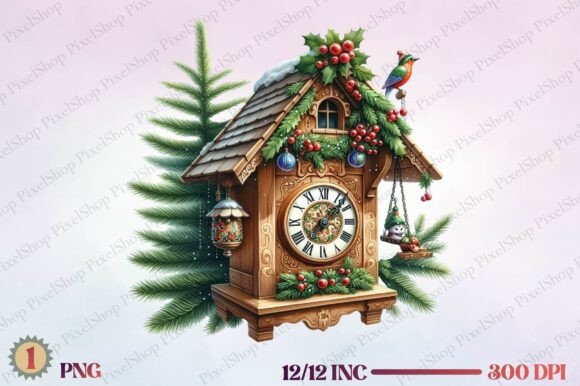
The immediate impact of the Christmas Cuckoo Clock is one of nostalgic warmth mixed with whimsical charm. It does not scream for attention with aggressive colors or chaotic lines. Instead, it establishes a cozy, lifestyle-focused mood that resonates deeply with readers during the holiday season. For bloggers in the home decor, family lifestyle, or DIY niches, this asset creates an instant emotional connection. It feels decorative yet grounded, avoiding the trap of looking too childish or overly corporate.
In terms of visual communication, the illustration supports a narrative of tradition and comfort. When placed against a clean white background, it pops with clarity. When overlaid on a textured paper background, it blends seamlessly into a rustic aesthetic. This versatility is crucial for maintaining a consistent brand identity across different types of content, from quick social updates to long-form guides.
Integrating the Asset into Your Publishing Workflow
The true test of any design asset is its utility in a real-world publishing workflow. I tested the Christmas Cuckoo Clock across several key touchpoints in my content calendar. Here is how it performed in specific scenarios:
- Blog Featured Images: Used as a central focal point, the clock draws the eye immediately. It works exceptionally well when paired with bold, sans-serif headlines, creating a strong visual hierarchy that encourages clicks from archive pages.
- Pinterest Pins: Vertical layouts benefit greatly from this graphic. I placed the clock at the top of a pin template, allowing ample space for text overlays below. The distinct silhouette ensures recognition even at smaller sizes, which is vital for scroll-stopping power.
- Newsletter Headers: In email marketing, simplicity wins. The Christmas Cuckoo Clock serves as an excellent header graphic for December newsletters, signaling seasonal relevance without cluttering the message. It adds a festive touch to content marketing efforts without distracting from the call-to-action.
- Digital Guides and Lead Magnets: For those creating seasonal digital products, such as holiday planning checklists or recipe eBooks, this asset adds professional polish. It transforms a plain PDF into a branded printable design that feels valuable enough to share.
Enhancing Content Performance and Reader Trust
Why does this matter for your bottom line? Because polished visuals equate to perceived authority. When a reader lands on a page featuring high-quality blog graphics, they subconsciously assume the written content is equally well-researched and valuable. The Christmas Cuckoo Clock contributes to this perception by offering a custom, curated look rather than a generic stock photo vibe.
Furthermore, consistent use of such assets strengthens category recognition. If you use this clock style across all your holiday-themed posts, readers begin to associate that visual cue with your specific brand of holiday content. This is a subtle but powerful form of small business branding that builds loyalty over time. For affiliate marketing sites, where trust is the primary currency, these details can significantly influence click-through rates and conversion potential.
Strategic Placement and Visual Hierarchy
To maximize the impact of the Christmas Cuckoo Clock, consider where it sits within your layout. It works best as a hero image or a prominent accent in editorial layouts. However, context is everything. I found it particularly effective when used in Canva templates for social media graphics, where the playful nature of the clock aligns with the casual consumption habits of Instagram and Facebook users.
For website headers, the asset provides a festive anchor. But be mindful of balance. If your website header already contains complex navigation elements or a busy background pattern, adding this clock might create visual noise. It shines brightest when given breathing room. Use it to break up text-heavy sections in long-form articles, acting as a visual rest stop for the reader’s eye.
Where to Use Caution
While versatile, the Christmas Cuckoo Clock is not a one-size-fits-all solution. There are specific contexts where it should be used carefully or avoided entirely:
- Small Mobile Thumbnails: Intricate details may get lost on small screens. Ensure the version you use is simplified or scaled appropriately for mobile views.
- Text-Heavy Overlays: Avoid placing dense text directly over the most detailed parts of the clock. This compromises readability and frustrates users.
- Serious Professional Niches: If you run a legal, financial, or medical blog, this whimsical design may undermine your authority. It is best suited for lifestyle, creative, and consumer-facing niches.
- Low-Contrast Backgrounds: The asset relies on clear lines. Placing it on a busy or low-contrast background will make it disappear. Always test it against your standard brand colors.
Practical Publisher Notes for Implementation
Before integrating the Christmas Cuckoo Clock into your live site, follow these technical checks to ensure optimal performance and compliance:
First, test the asset on both desktop and mobile devices. What looks crisp on a 27-inch monitor may appear pixelated on a smartphone. Next, preview it inside your actual blog layout. Does it clash with your existing sidebar widgets or footer elements? Check contrast and readability by placing it beside various font styles. I found it pairs beautifully with serif fonts for a traditional look, but also holds its own against modern sans-serif and handwritten script fonts for a more eclectic vibe.
File size is another critical factor. Large, uncompressed images slow down page load times, which hurts SEO and user experience. Always compress your images properly before uploading. If you are using this as part of a digital download or a commercial design product, verify the licensing terms. While many Freebies are free for personal use, monetized websites, affiliate pages, and paid content products often require a commercial license. Confirm this before using the asset in any revenue-generating context.
Finally, consider the longevity of your content. Seasonal assets like the Christmas Cuckoo Clock are powerful for timely campaigns but may need to be archived or rotated out in January. Plan your creative marketplace strategy accordingly, ensuring your site remains fresh and relevant year-round.
In conclusion, the Christmas Cuckoo Clock is a robust addition to any blogger’s toolkit. It offers the right blend of charm and professionalism to elevate seasonal content, support web design goals, and enhance reader engagement. By using it strategically, you can create a cohesive, visually appealing holiday presence that drives results.