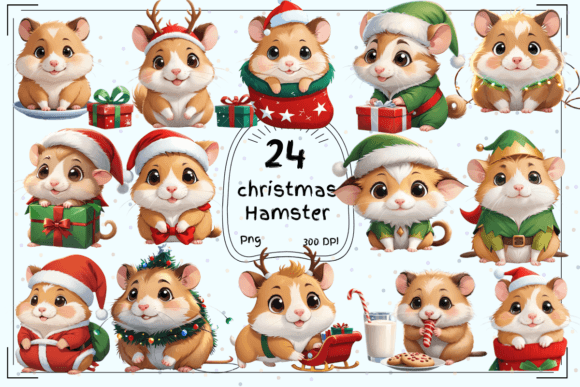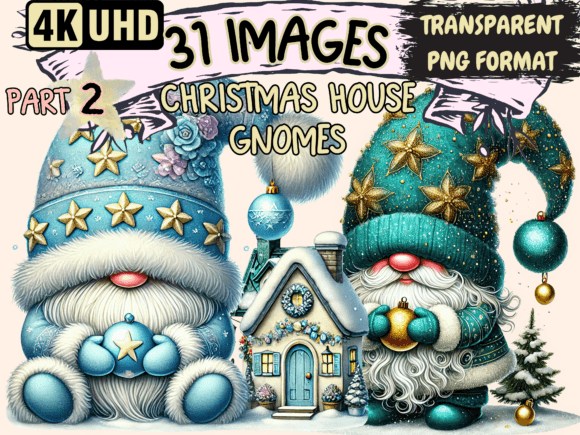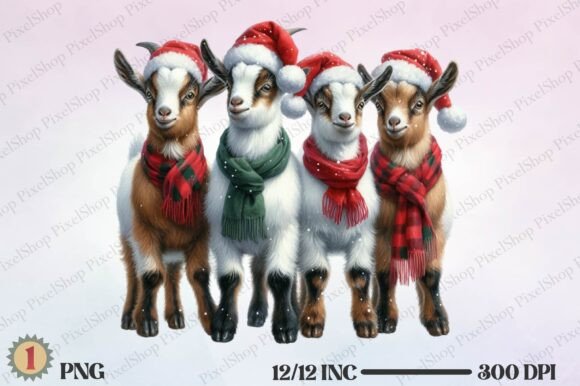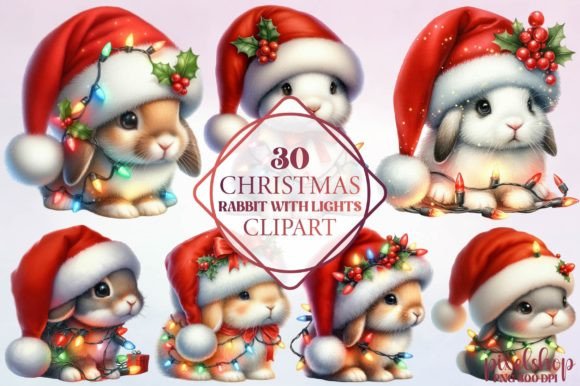
Reviewing the Christmas Funny Rabbit Clipart for Stitching
As a designer who has spent countless hours digitizing and testing embroidery files, I have learned that not every cute illustration translates well to thread. When I first pulled up the Christmas Funny Rabbit Clipart, my initial reaction was one of cautious optimism. The visual personality is undeniably charming, capturing that whimsical holiday spirit that sells so well in December. However, looking at a digital image is vastly different from watching a needle punch through fabric. My job here is to bridge that gap, evaluating whether this design holds up under the mechanical realities of machine embroidery or if it remains merely a pretty picture best left on a screen.
First Impressions and Visual Personality
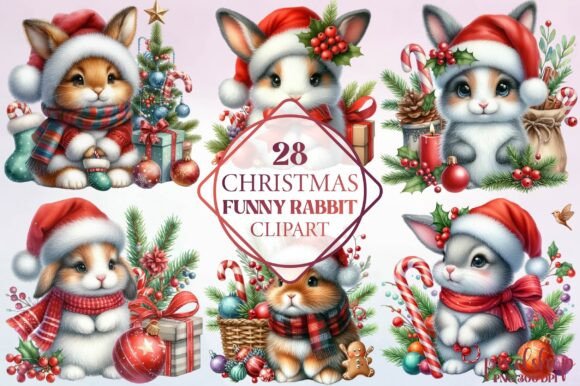
The mood of this piece is lighthearted and festive. It avoids the overly serious or traditional religious iconography often seen in holiday collections, opting instead for a playful character-driven approach. For an embroidery designer, the shape and layout are the first things I scrutinize. Does the rabbit have distinct separations between color fields? Are there tiny, isolated details that might get lost in the stitching process? From what I can see, the lines are clean, which suggests that with proper digitizing, the transition between thread colors could be crisp. This visual clarity is essential for maintaining the "funny" aspect of the design; if the expression becomes muddy due to poor stitch placement, the humor is lost.
In the realm of Illustrations, this type of clipart thrives on simplicity. Complex gradients do not work in embroidery without advanced techniques like blending, which can increase production time and cost. Therefore, a design like this relies on strong outlines and solid fills. If you are considering this for a handmade product, you want a design that reads clearly from a distance. A potential buyer scrolling through an Etsy seller’s shop needs to instantly recognize the subject and the emotion. This rabbit delivers on that front, offering a recognizable silhouette that promises warmth and joy.
Real-World Application: The Holiday Tote Bag Test
To truly evaluate the Christmas Funny Rabbit Clipart, I imagined applying it to a standard canvas tote bag. This is a staple item for any craft business during the holiday season. Canvas is a sturdy, woven fabric that generally handles embroidery well, provided the stabilizer is chosen correctly. In this scenario, the rabbit would likely sit centered on the front panel. Because tote bags are functional items that get tossed around, the durability of the stitch is paramount.
If this design utilizes a high stitch density in the fill areas, it could make the fabric pucker or feel stiff. A good embroidery file for this application would balance aesthetic coverage with fabric flexibility. I would recommend using a cut-away stabilizer for a tote bag to ensure the design remains stable over years of use. The contrast of bright holiday threads against a natural or white canvas creates a striking finished product that appeals to gift-givers. It transforms a simple utility item into a personalized gift with character.
Apparel and Wearables
Moving beyond bags, let’s consider sweatshirt embroidery. This is perhaps the most popular category for holiday designs. A fleece or cotton-blend sweatshirt provides a thick, forgiving surface for embroidery. However, the texture of the fabric can swallow small details. If the rabbit has fine whiskers or tiny eyes, these elements need to be digitized with thicker running stitch or simplified satin stitch borders to remain visible. On a dark navy or forest green sweatshirt, the light-colored threads of the rabbit would pop beautifully, creating a classic holiday look.
For baby embroidery, such as on a onesie or blanket, softness is the priority. Here, the design size matters immensely. A large, dense rabbit might be too heavy for delicate baby skin. In this case, scaling down the design and ensuring the back of the embroidery is clean and free of scratchy knots is crucial. Parents are discerning customers; they want the cuteness of the Christmas Funny Rabbit Clipart without compromising comfort. This makes the design a strong candidate for nursery decor or heirloom-quality blankets where the stitch quality is inspected closely.
Navigating Technical Challenges
While the design is appealing, there are areas where caution is necessary. Embroidery on curved surfaces, such as caps or hats, requires careful hoop management. If the rabbit design is wide, it may not fit comfortably in a standard cap frame without distortion. Furthermore, textured fabrics like terry cloth towels can obscure fine details. If you plan to use this on a kitchen towel, consider adding a topping or water-soluble stabilizer on top of the fabric to keep the stitches sitting on the surface rather than sinking into the loops.
Another critical consideration is the hoop size. Before purchasing or downloading any digital embroidery file, you must confirm that the dimensions fit your machine’s capabilities. Trying to force a large design into a small hoop results in skipped stitches and broken needles. Additionally, if the design includes any text alongside the rabbit, ensure the lettering is large enough to be legible. Tiny lettering is the enemy of embroidery; it often turns into an unreadable blob of thread. If the clipart is purely graphical, this risk is minimized, but it is always worth checking the preview.
Commercial Value and Brand Consistency
For small shop product creators, consistency is key to building brand trust. Using high-quality design assets like this rabbit helps maintain a professional appearance. When a customer receives a custom apparel item with crisp, well-aligned stitching, their perception of value increases. This leads to positive reviews and repeat business. The Christmas Funny Rabbit Clipart fits well into a broader collection of holiday-themed items, allowing sellers to create cohesive bundles or themed collections.
However, commercial use comes with responsibilities. Always verify the licensing terms associated with the embroidery project. Some creators allow unlimited sales of physical finished goods, while others restrict the number of units or prohibit the sale of the digital file itself. As an Etsy seller or boutique owner, respecting intellectual property is non-negotiable. Ensure that the applique design or standard embroidery file you are using grants the rights you need for your specific business model.
Practical Designer Notes for Best Results
Before running this design on a final customer garment, always perform a test stitch-out on scrap fabric of the same type. This allows you to check thread tension and color contrast without risking expensive inventory. I also recommend viewing the design in a black-and-white mockup. This strips away the distraction of color and reveals the structural integrity of the digitizing. If the shapes hold up in monochrome, they will look great in color.
- Check Thread Contrast: Ensure the rabbit stands out against your chosen fabric background.
- Review Stitch Density: Adjust density settings if your machine tends to pull lightweight fabrics.
- Inspect Small Details: Zoom in on the digital file to identify any potential jump stitches or tight corners.
- Use Proper Stabilizer: Match the stabilizer weight to the fabric weight for optimal results.
- Confirm Licensing: Double-check usage rights for commercial embroidery before selling.
In conclusion, the Christmas Funny Rabbit Clipart offers a delightful option for holiday crafting. With attention to technical details like fabric choice, stabilizer selection, and stitch optimization, it can elevate a simple embroidered patch or tote bag design into a standout seasonal favorite. By approaching the design with a critical, experienced eye, you ensure that the final product not only looks good on screen but feels premium in hand.