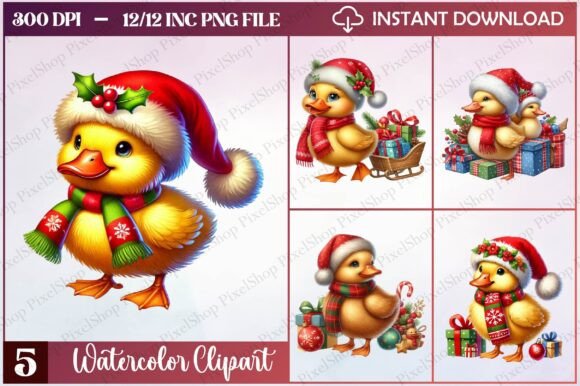
Watercolor Christmas Hummingbird Clipart Freebies
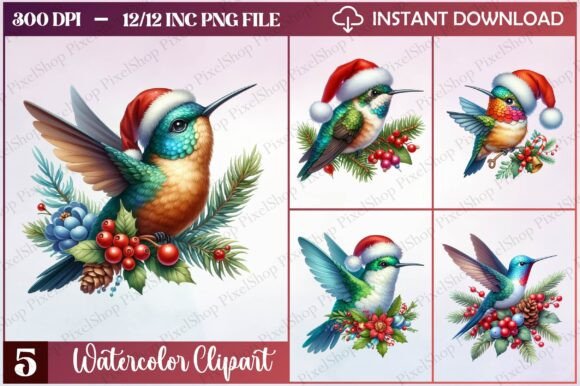
As a digital publisher and blog designer, I have spent over a decade scrutinizing the visual assets that populate the web. We often underestimate the power of a single graphic element to define the tone of an entire content piece. When I first encountered Watercolor Christmas Hummingbird Clipart, my immediate reaction was one of relief. In a sea of generic, flat vector icons and overly saturated holiday graphics, this asset offers a breath of artistic air. It feels organic, delicate, and distinctly human-made, which is precisely what modern readers are craving in an increasingly automated digital landscape.
The editorial mood this clipart creates is soft yet festive. It does not scream for attention with neon greens and harsh reds; instead, it whispers of winter elegance. This makes it an ideal fit for lifestyle blogs, wellness niches, creative entrepreneurship sites, and feminine-focused brands. If you are running a serious corporate finance blog or a hard-news outlet, this aesthetic might feel out of place. However, for anyone involved in content marketing where trust and relatability are key, this watercolor style bridges the gap between professional polish and approachable warmth.
Elevating Editorial Design with Organic Textures
In real-world publishing workflows, consistency is king. One of the primary challenges I face when designing for clients is maintaining a cohesive brand identity across various platforms. Watercolor Christmas Hummingbird Clipart serves as a versatile anchor for seasonal campaigns. Because watercolor textures inherently possess depth and variation, they add a layer of sophistication to otherwise flat web layouts.
Consider the impact on your website header or hero image during the holiday season. Placing this hummingbird alongside a clean, sans-serif headline creates a beautiful contrast between the structured typography and the fluid art. This interplay improves visual hierarchy, guiding the reader’s eye naturally from the image to the title, and finally to the call-to-action. It is not just decoration; it is a functional design tool that enhances readability and engagement.
Practical Applications for Bloggers and Publishers
The utility of this asset extends far beyond a simple blog post illustration. As a designer, I look for graphic design assets that can be repurposed across multiple touchpoints. Here is how I would integrate this clipart into a comprehensive content strategy:
- Pinterest Pins: Pinterest is a visually driven search engine. The vertical nature of many pin designs allows the hummingbird to take center stage. Its intricate details stand out even in a crowded feed, potentially boosting click-through rates for holiday guides or gift lists.
- Newsletter Graphics: Email open rates often depend on the preview text and header image. Using this clipart in your December newsletters signals a seasonal shift without overwhelming the message. It works beautifully as a header accent or a divider between sections.
- Digital Products and Lead Magnets: If you are creating a digital guide, eBook, or printable checklist, this clipart adds perceived value. A well-designed cover featuring watercolor art suggests high-quality content inside, encouraging downloads and sign-ups.
- Social Media Graphics: For Instagram or Facebook posts, the clipart can be overlaid on solid pastel backgrounds or textured paper scans. It provides a ready-made template for quotes, announcements, or product highlights.
Optimizing for Web Performance and User Experience
While aesthetics are crucial, technical performance cannot be ignored. As a publisher, I am always mindful of page load speeds. High-resolution watercolor files can be heavy if not optimized correctly. Before deploying Watercolor Christmas Hummingbird Clipart on a live site, I recommend compressing the images using modern tools to reduce file size without sacrificing visual fidelity. Always test the asset on both desktop and mobile screens. What looks crisp on a 27-inch monitor might appear muddy or pixelated on a smartphone if the resolution is not handled properly.
Furthermore, consider the context of use. This clipart shines in editorial design where there is ample white space. It should be used carefully in busy layouts. If your background is cluttered or your text is dense, the delicate edges of the watercolor may get lost. Ensure there is sufficient contrast between the artwork and the background. For instance, placing a light-colored hummingbird on a white background will render it invisible. Instead, opt for soft grays, muted blues, or warm creams to let the colors pop.
Typography Pairings and Visual Harmony
To maximize the impact of this creative design element, pay attention to your font choices. Watercolor art pairs exceptionally well with serif fonts, which echo the traditional, classic feel of the medium. Alternatively, a thin, elegant script font can enhance the feminine and artistic vibe. Avoid bulky, blocky display fonts that might overpower the delicacy of the bird. The goal is harmony, not competition. When the typography and imagery work together, the overall web design feels intentional and curated.
For those utilizing Canva templates or other drag-and-drop design tools, this clipart is a game-changer. It allows non-designers to create professional-looking blog graphics quickly. By providing pre-made elements that already adhere to a specific aesthetic, you reduce the decision fatigue associated with design. This efficiency is vital for small business owners and affiliate marketers who need to produce content consistently without hiring a full-time designer.
Licensing and Commercial Use Considerations
Before integrating any digital download into monetized content, licensing is paramount. Whether you are using this for affiliate marketing links, sponsored posts, or selling your own printable design products, you must confirm the commercial license terms. Many Freebies available online come with restrictions. Some allow personal use only, while others permit commercial use with attribution. Always read the fine print. Using an asset incorrectly can lead to legal issues and damage your professional reputation. If you are building a small business branding package, ensure you have the right to modify and redistribute the asset if necessary.
In the realm of commercial design, transparency builds trust. If you are curating a list of resources for your audience, being clear about the source and license of your assets demonstrates integrity. It also helps your readers understand how they can legally use the same resources in their own projects.
Final Thoughts on Seasonal Visual Strategy
In conclusion, Watercolor Christmas Hummingbird Clipart is more than just a festive icon; it is a strategic tool for enhancing digital presence. It supports a narrative of warmth, creativity, and attention to detail. For bloggers, publishers, and designers, incorporating such high-quality, niche-specific assets can significantly elevate the perceived value of your content. It transforms standard articles into immersive experiences and turns simple newsletters into cherished communications.
By testing these assets across different devices, pairing them with thoughtful typography, and respecting licensing boundaries, you can create a cohesive and compelling visual identity. Whether you are designing a media kit, a holiday sales page, or a simple blog thumbnail, let the quality of your visuals reflect the quality of your ideas. In the crowded creative marketplace, these subtle touches are often what distinguish a memorable brand from the noise.