Western Santa with Cactus: A Designer’s Review
As an embroidery designer who has spent countless hours digitizing and testing files for client projects, I have learned that not every cute graphic translates well to thread. When I first opened the Christmas Western Santa with Cactus PNG, my initial reaction was one of genuine curiosity. The fusion of traditional holiday warmth with a rugged, southwestern aesthetic is a trend that has been gaining momentum in boutique retail, but executing it in machine embroidery requires a keen eye for detail. This review is not just about whether the image looks good on a screen; it is about how this specific illustration performs when put under the needle, stitched out on various fabrics, and presented as a finished product to a paying customer.
First Impressions and Visual Personality
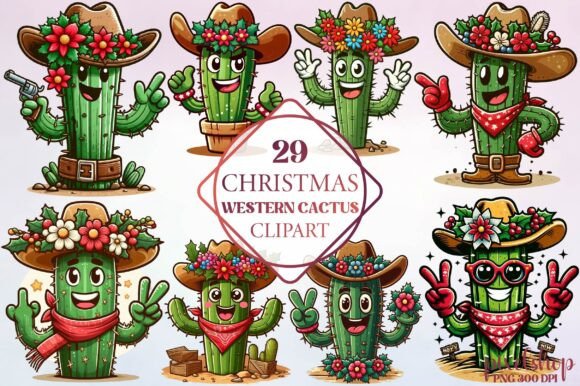
The immediate mood created by this design is playful yet sophisticated. It avoids the cluttered, overly busy look that plagues many holiday designs, opting instead for clean lines and distinct shapes. For an embroidery project, this is crucial. The silhouette of Santa, reimagined with western attire alongside a sturdy cactus, offers a strong visual anchor. The layout feels balanced, which suggests that the digitizer likely considered stitch flow and direction. However, since we are evaluating a PNG source file intended for conversion or reference, the clarity of the edges is paramount. In my assessment, the contrast between the subject and the background is sharp, which makes it an excellent candidate for creating a precise applique design or a dense fill stitch motif.
For Etsy sellers and small shop owners, visual appeal drives clicks. This design stands out because it taps into two massive markets: holiday decor and western chic. It does not scream "generic holiday"; it whispers "curated boutique." This subtle distinction can significantly impact buyer engagement and perceived value.
Real-World Application: The Tote Bag Test
To truly understand the viability of this asset, I mentally walked through a common real-life scenario: creating a custom embroidered tote bag for a holiday market. Tote bags are typically made from canvas or heavy cotton, fabrics that have a noticeable weave and texture. When working with a design like Christmas Western Santa with Cactus PNG, the level of detail must be manageable. If the cactus spines or Santa’s facial features are too fine, they may get lost in the fabric texture or cause puckering if the stitch density is too high.
In this context, I would recommend using this design as a base for a patch or a larger chest placement on a sweatshirt. For a sweatshirt embroidery project, the softness of the fleece allows for slightly more intricate detailing, provided a proper cut-away stabilizer is used. The western theme pairs exceptionally well with earthy thread colors—think terracotta, sage green, and deep navy rather than just traditional bright red and green. This approach elevates the handmade product from a simple gift to a fashion statement.
Navigating Fabric and Hoop Constraints
While the design is visually striking, there are areas where caution is necessary. If you are planning to use this on curved surfaces, such as caps or hats, you must consider the hoop size and the distortion that occurs during stitching. A complex illustration can warp if not properly hooped. For baby embroidery items, such as onesies or bibs, the scale of the design becomes critical. You may need to resize the image significantly. When shrinking any design, especially one derived from a raster image like a PNG, you risk losing definition in smaller elements like the cactus flowers or Santa’s belt buckle.
I always advise testing the design on scrap fabric first. This is non-negotiable for professional results. Check how the running stitch outlines hold up against the fill stitch areas. On dark fabrics, ensure that your underlay stitches are sufficient to prevent the fabric color from showing through the lighter threads of Santa’s beard or the cactus blooms. If you are working with stretchy fabrics, a heavy stabilizer is essential to maintain the integrity of the shape.
Commercial Viability and Brand Consistency
For craft business owners, consistency is key to building brand trust. Using a high-quality, cohesive design like this helps establish a recognizable aesthetic. Whether you are selling custom apparel, embroidered patches, or home decor like pillow covers, the professionalism of the stitch-out reflects directly on your brand. A messy or poorly digitized design can deter repeat customers, while a crisp, clean finish encourages positive reviews and word-of-mouth referrals.
This particular design fits seamlessly into a broader collection of holiday embroidery assets. It allows for versatility in marketing. You can position it as a rugged gift for him, a chic decor piece for modern homes, or a fun addition to kids' clothing. The ability to adapt the color palette means you can offer personalized options without changing the core design, a huge plus for personalized gift businesses.
Technical Considerations for Digitizers
If you are converting this Christmas Western Santa with Cactus PNG into a machine embroidery design yourself, pay close attention to the transition points between colors. Automatic digitizing software often struggles with organic shapes like cacti, creating unnecessary jump stitches or dense clusters that add bulk. Manual editing is recommended to optimize the stitch path. Ensure that the hoop size you select accommodates the full width of the design with enough margin for clamping.
Also, consider the end-use. Will this be washed frequently? If so, avoid overly long satin stitches that might snag. Instead, opt for tighter fill patterns or break up large areas into smaller segments. For commercial embroidery runs, efficiency matters. A design that stitches out quickly without sacrificing quality is more profitable. Review the estimated stitch count once digitized to ensure it aligns with your pricing model.
Final Verdict for Makers and Designers
The Christmas Western Santa with Cactus PNG is a robust asset for designers who understand the nuances of embroidery. It is not just a pretty picture; it is a versatile component that, when handled with technical care, can produce stunning finished products. Whether you are creating a tote bag design for a local craft fair or developing a line of digital embroidery files for other makers, this illustration offers a fresh take on holiday themes.
Remember to verify licensing terms before selling finished items or distributing the digital file. Not all PNGs are created equal, and commercial rights vary. Once cleared, use this design to experiment with texture and color. Test it on linen for a rustic look, or on denim for a durable, workwear-inspired vibe. The key to success lies in the preparation: proper stabilization, thoughtful thread selection, and rigorous testing. By treating this illustration with the respect it deserves, you can create pieces that resonate with customers and stand the test of time.