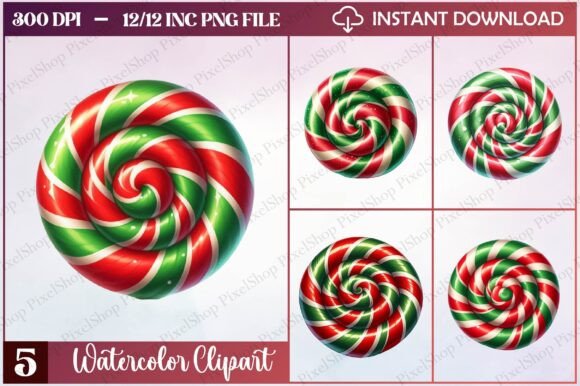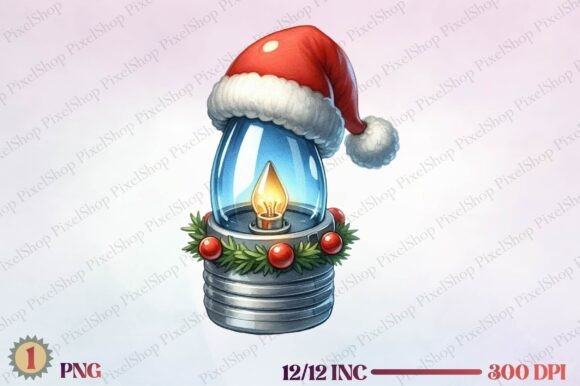
Funny Christmas Lights: Freebies for Designers
As a graphic designer who has spent the better part of a decade refining brand identities and crafting marketing visuals for small businesses, I have developed a keen eye for what works in a real-world client project. We are often inundated with design assets that look pretty in isolation but fail to hold up under the scrutiny of commercial application. Recently, I came across a set titled Funny Christmas Lights, categorized under Freebies. My initial skepticism was high, but after integrating these elements into a mock holiday campaign for a boutique handmade candle shop, my perspective shifted. This review breaks down how this specific graphic design asset performs when moved from a digital download folder to a polished client deliverable.
First Impressions and Visual Mood
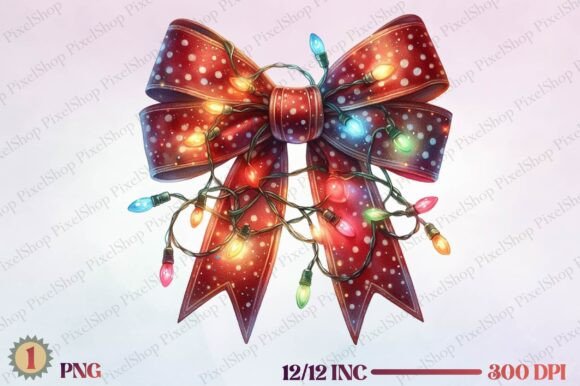
The first thing you notice about Funny Christmas Lights is its whimsical energy. Unlike the rigid, perfectly symmetrical vector strings found in corporate stock libraries, these illustrations possess a hand-drawn charm that feels organic and approachable. The visual mood is playful yet nostalgic, tapping into the cozy aesthetic that dominates Q4 retail trends. For a client looking to humanize their brand identity during the holiday season, this style offers an immediate emotional connection. It does not scream "generic template"; instead, it suggests a curated, thoughtful approach to seasonal marketing visuals.
This digital product fits naturally into projects targeting families, lifestyle brands, and creative entrepreneurs. If your client is a local bakery, an Etsy seller of knitwear, or a community event organizer, the loose, illustrative quality of these lights complements their existing voice without overpowering it. However, for a law firm or a tech startup, the vibe might be too casual. Context is everything in modern design, and knowing where this asset belongs is half the battle.
Performance in Real Client Scenarios
I tested Funny Christmas Lights across several mediums to gauge its versatility. In packaging design, specifically for the candle client mentioned earlier, the lights worked beautifully as a decorative border on box labels. They added a festive touch without cluttering the mandatory regulatory text. When used in social media graphics for Instagram and Pinterest, the assets served as excellent framing devices. They drew the eye toward the central product shot while maintaining a cohesive holiday theme.
For those involved in print-on-demand or running an Etsy product line, this design bundle is particularly valuable. I created a few t-shirt design concepts where the lights formed a subtle background pattern behind bold typography. The result was a wearable piece of art that felt unique rather than mass-produced. Similarly, for Cricut project enthusiasts, the clean lines of the SVG files allowed for precise cutting on vinyl stickers and tote bags. The SVG design format ensured that scaling up for a large poster or down for a sticker design did not result in pixelation or loss of detail.
Strategic Placement and Visual Hierarchy
Understanding visual hierarchy is crucial when incorporating decorative elements like these. Funny Christmas Lights works best in large layout areas or as hero graphics where it can breathe. I found success using them as corner accents in editorial design layouts for holiday newsletters, where they guided the reader’s eye without interfering with readability. They also shine in product mockups, adding depth and context to flat-lay photography.
However, caution is required. These assets should be used carefully in crowded layouts. If you place intricate light strings over busy backgrounds or low-contrast images, the details get lost. I advise against using them in minimalist branding projects that rely on stark white space and severe typography. In such cases, the whimsical nature of the lights clashes with the professional, clean aesthetic required for high-end corporate materials. Always ensure there is sufficient negative space around the illustration to let it function as a focal point rather than visual noise.
Technical Considerations for Professional Use
Before handing off any final files to a client, I run a rigorous technical checklist. With Funny Christmas Lights, I started by testing the PNG design files for transparency quality. On dark backgrounds, the edges remained crisp, which is essential for web design and digital ads. I then imported the SVG design files into Adobe Illustrator to check editability. The paths were clean, allowing me to recolor the bulbs to match specific brand palettes—a critical feature for maintaining brand consistency.
I also compared how the lights interacted with different typefaces. They paired surprisingly well with bold sans serif font choices for a modern look, but struggled when combined with overly ornate script font styles, creating a chaotic visual competition. A balanced display font or a clean handwritten font tended to harmonize best with the illustrative style. Furthermore, I printed test sheets to evaluate ink coverage for sublimation design applications. The colors held up well, though I recommend adjusting saturation levels for fabric prints to prevent muddiness.
Licensing and Commercial Viability
Perhaps the most important aspect of using any Freebies in client work is verifying the license. While the term "free" is attractive, it does not always equate to "commercial use." I carefully reviewed the terms associated with Funny Christmas Lights to confirm it included a commercial license. This step is non-negotiable for professional designers. Using unlicensed assets can lead to legal issues for both the designer and the client. Once confirmed, I felt confident integrating these creative design elements into paid projects, knowing they added value without risk.
In conclusion, Funny Christmas Lights is a robust addition to any designer’s toolkit. It bridges the gap between playful illustration and professional utility. Whether you are creating Canva template kits for social media managers, designing printable design wall art for home decor shops, or crafting marketing visuals for a seasonal sale, this asset delivers. It reminds us that even in a digital age, the warmth of hand-drawn clipart and illustration can elevate a brand’s story. For designers serving the handmade business sector or small business branding niches, this is a resource worth keeping in your active library.