Vintage Christmas Ticket Kit: A Designer’s Embroidery Review
As a designer who spends half my life staring at digitized files and the other half pulling bobbins out of tangled messes, I have learned to be skeptical of "cute" holiday graphics. We see thousands of them every season. But when I opened the Vintage Christmas Ticket Kit, Printable, my initial reaction was not just about aesthetics; it was about structural integrity. This isn’t just a clipart bundle; for those of us in the trade, it represents a specific challenge and opportunity in translating flat Illustrations into tactile, stitched reality.
The First Impression: Nostalgia Meets Structure
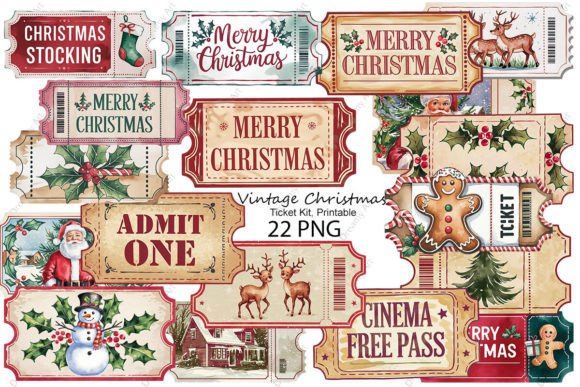
The immediate mood this kit evokes is warm, nostalgic, and distinctly retro. Think mid-century travel posters meets classic holiday ephemera. The layout typically features ticket-style borders, vintage typography, and iconic Christmas imagery like sleighs, trees, or ornaments framed within a rectangular or stubbed ticket shape. From a design perspective, this structure is brilliant for embroidery because it provides a natural boundary. Unlike free-floating motifs that can look lost on a large garment, the ticket format creates a self-contained badge effect.
However, the devil is in the details. Vintage styles often rely on fine lines and distressed textures. In digital art, this looks charming. In embroidery, fine lines can vanish under stitch density or break if the fabric shifts. My first thought was: How will these thin border lines hold up against the pull of satin stitches? This is where the distinction between a pretty picture and a functional machine embroidery design becomes critical.
Real-World Application: The Holiday Tote Bag Test
To truly evaluate the Vintage Christmas Ticket Kit, Printable, I mentally placed it on a heavy canvas tote bag—a staple for any Etsy seller or craft business during the fourth quarter. Canvas is forgiving, but it has a visible weave. If the design relies on tiny, intricate details, they might get lost in the texture of the fabric.
In this scenario, the ticket’s bold outer border works beautifully. It acts as a frame that draws the eye inward. For a tote bag design, I would recommend using a heavier weight thread for the border to give it dimension, perhaps a deep forest green or burgundy to contrast with natural canvas. The internal elements, such as smaller icons or text, need careful handling. If the kit includes small lettering, I would advise scaling the design up slightly or simplifying the stitch path to ensure legibility. A personalized gift loses its impact if the recipient has to squint to read the name or date.
This same logic applies to sweatshirt embroidery. On fleece or French terry, the pile of the fabric can swallow small details. The ticket shape is advantageous here because it allows for a clean, defined edge that sits well on textured surfaces. However, you must account for the stretch. A dense fill stitch background within the ticket could cause the fabric to pucker if not properly stabilized.
Navigating Technical Challenges
While the aesthetic is strong, there are areas where caution is required. Not every element in a vintage kit translates perfectly to needle and thread. Here is where my professional judgment kicks in regarding potential pitfalls:
- Tiny Lettering and Serifs: Vintage fonts often have delicate serifs. In embroidery, these can easily break off or merge with adjacent letters. If the Vintage Christmas Ticket Kit, Printable includes pre-digitized files, check the zoom level. If you are digitizing it yourself from the printable assets, consider converting fine serifs into simpler block shapes or using a running stitch outline instead of a thick satin column.
- Dense Stitch Areas: Some vintage illustrations use heavy shading. In embroidery, this translates to high stitch density. On a cap or curved surface, this is a recipe for distortion. I would recommend reducing density in shaded areas or using a lighter applique design approach where fabric pieces create the color blocks rather than thousands of stitches.
- Fabric Compatibility: This design shines on stable woven fabrics like cotton twill, linen, or denim. Be wary of using it on thin, stretchy knits without a cut-away stabilizer. The rigid structure of a ticket design can feel stiff on a soft baby onesie, potentially irritating sensitive skin. For baby embroidery, consider scaling down the density and using softer threads.
Enhancing Product Value and Brand Consistency
For small shop product creators, consistency is key. The Vintage Christmas Ticket Kit, Printable offers a cohesive look that can brand an entire collection. Imagine a series of holiday items: a tea towel with a "North Pole Express" ticket, a pillow cover with a "Reindeer Landing" pass, and an apron featuring a "Cookie Inspector" badge. This thematic unity builds brand recognition.
When customers see a well-executed, structured design like this, it signals professionalism. It moves the item from a "homemade craft" to a "boutique product." The ticket motif implies exclusivity and invitation, which psychologically enhances the giftability of the item. It feels like a keepsake rather than just decor.
Furthermore, for digital embroidery file sellers, offering this kit as part of a bundle can increase average order value. Buyers love themed collections. However, always clarify the license. Can they use the printable elements for paper crafts while selling the stitched version? Clear communication here builds customer trust.
Practical Designer Notes for Execution
Before you load this design into your machine for a client order or a bulk run, take these practical steps. They are the difference between a return and a five-star review.
- Test on Scrap Fabric First: Never skip this. Stitch the design on the exact fabric type you plan to use. Check for puckering, thread breaks, and registration issues.
- Check Thread Color Contrast: Vintage palettes can be muted. Ensure your thread colors have enough contrast against the fabric. A cream ticket on a white shirt will disappear. Use a mockup tool or lay physical thread spools on the fabric to verify visibility.
- Inspect Small Details: Zoom in on the digitized file. Are there unnecessary jump stitches? Is the underlay sufficient for the topstitch? Poor underlay leads to shifting designs, especially on textured fabrics.
- Confirm Hoop Size: Ensure the ticket dimensions fit comfortably within your hoop with adequate margin for clamping. If it’s a large design, consider splitting it or using a larger hoop if your machine supports it.
- Review Licensing Terms: Since this is a "Kit" and potentially includes printable assets, confirm whether you can sell the finished embroidered items commercially. Most designers allow it, but some restrict the use of the raw digital files. Always read the terms before listing on Etsy or other platforms.
Final Verdict
The Vintage Christmas Ticket Kit, Printable is a strong contender for holiday collections. Its structured layout solves many placement issues common with loose motifs, and its nostalgic appeal resonates with current trends. However, success depends on technical execution. Respect the limitations of the stitch, choose your fabrics wisely, and prioritize clarity over excessive detail. When done right, this design elevates a simple handmade product into a cherished holiday heirloom. For the commercial embroidery professional, it is a versatile asset that, with proper testing, can drive significant seasonal sales.